
The Rheidol hydropower plant in Wales.
Hydropower
Statkraft has 130 years’ experience in hydropower, and is the largest producer of electricity from hydropower in Europe.
In December 2023 Statkraft acquired the Red John Pumped Storage Hydro Project from ILI. This is a consented project at Loch Ness, Scotland and has been renamed Loch na Cathrach. For more information, visit the project website.
Hydropower is an environment-friendly and renewable energy source. In Norway, 90% of all power generation is hydropower. Worldwide, hydropower contributes around one sixth of the total electricity supply. The advantages of hydro are many – it is renewable, it is clean, it is reliable, it is flexible and can serve many generations with low-cost electricity from a local resource.
Hydropower produces no air pollutants, and shows the best Green House Gases (GHG) emission performances of all power generation technologies. This is an extremely important factor, since the stabilisation of GHG emissions is one of the greatest environmental challenges facing the world today.
Besides its positive contributions to combat resource depletion and global warming, hydropower affects river systems. While river regulation helps to protect people and the environment from droughts and floods, the modification of a river’s flow pattern also affects fish and biodiversity.
Statkraft’s aim is to maintain healthy river systems. Hence Statkraft has developed considerable expertise in taking care of environmental issues and implementation of mitigation measures. Examples of such measures include ecologically determined water flow, the construction of fish ladders, restocking and biotope protection.
About Loch na Cathrach

Our hydropower plants in the UK
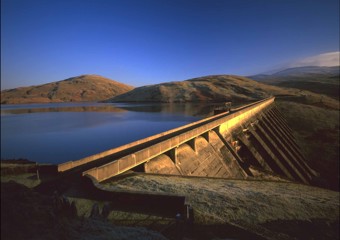
Hydropower in numbers
-
347Number of hydropower plants
-
63 TWhTotal hydropower production
-
14,447 MWInstalled hydropower capacity
Europe’s renewable energy battery
Fornybart: Ny turbinteknologi skal gjøre vannkraften mer fleksibel
De fleste turbiner i vannkraftverk må kjøres på minst 60 prosent av full kapasitet, ellers kan de skades. Nye eller forbedrede turbiner vil vi kunne kjøre vannkraftverkene med mindre last og øke...
Energy production: Hydropower has a unique value
Sun and wind are the renewable energy sources growing at the fastest rate, but they depend on the sun shining and the wind blowing. Flexible hydropower is the only renewable energy source that can...
Machine learning: Teaching power plants to speak
The hydropower plants in Norway are getting older. This means costly maintenance and large reinvestments. What if the power plants could tell us what they needed and when?
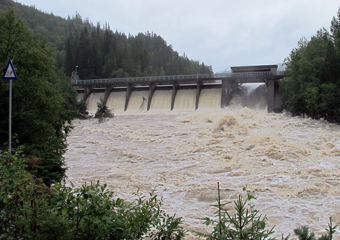
Hydropower: Safe energy in all weather
Record cold winters, dry summers and spring floods in the autumn. What does hydropower's flexibility mean in the age of extreme weather? The CEO of Statkraft explains.
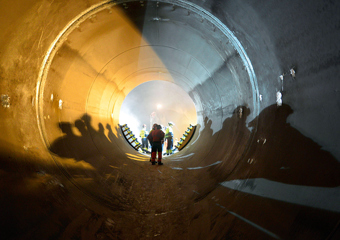
Maintenance: Ensures eternal life for hydropower
Good maintenance can ensure almost eternal access to clean, renewable energy from Norwegian hydropower plants. Many of the major power plants were built in the 1960s and are now facing necessary moder...
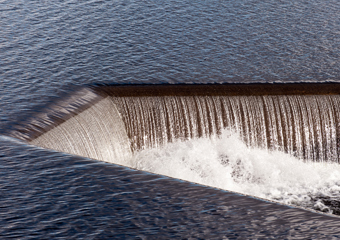
Mythbusting: "Power companies are only concerned with profit!"
Owners of solar and wind power plants produce energy when the sun shines and the wind blows – regardless of price and demand. Hydropower companies with large reservoirs can control production to a...

The Ringedal dam in Norway
Our hydropower ambitions
The Nordic portfolio is a unique and important source of flexible and stable power. Given its age, we will continue with reinvestments to keep the portfolio competitive and profitable.
We are also focusing on optimising and protecting the value of our hydropower assets outside the Nordics and will pursue growth through selected acquisitions and swaps that fit well with the rest of the portfolio.

Hylen hydropower plant in Norway
How our hydropower plants work
The principle behind the production of hydropower is to use the energy of flowing water. Many hydropower plants benefit from several storage schemes. In some river systems we have several power stations positioned in cascade one after the other, so that the water’s energy can be exploited several times before it finally flows out into the sea. Inside the power station, the water drives a turbine producing mechanical energy which is turned into electrical energy in a generator. Hydropower schemes without reservoirs are often called run-of-river.
How our hydropower plants work
Find out more about our hydropower assets
Statkraft has hydropower assets in Norway, Sweden, Germany, UK, Albania, Turkey, Brazil, Peru, Chile, Nepal and India. Find out more about our global hydropower activities by exploring the map below.